Marketing Is a Mind Game: Master This, and the Tactics Will Follow
Ask any top-performing marketer their secret—and most won’t say it’s the algorithm, the ad spend, or the email funnel.
Ask any top-performing marketer their secret—and most won’t say it’s the algorithm, the ad spend, or the email funnel.

Once upon a time, scaling a 6-figure business meant hiring a small army. Designers, marketers, sales reps, customer support—all under one roof. Today? It’s you, your laptop, and a few bots working around the clock. Welcome to the age of AI-powered micro-teams, where lean is not only possible—it’s powerful.
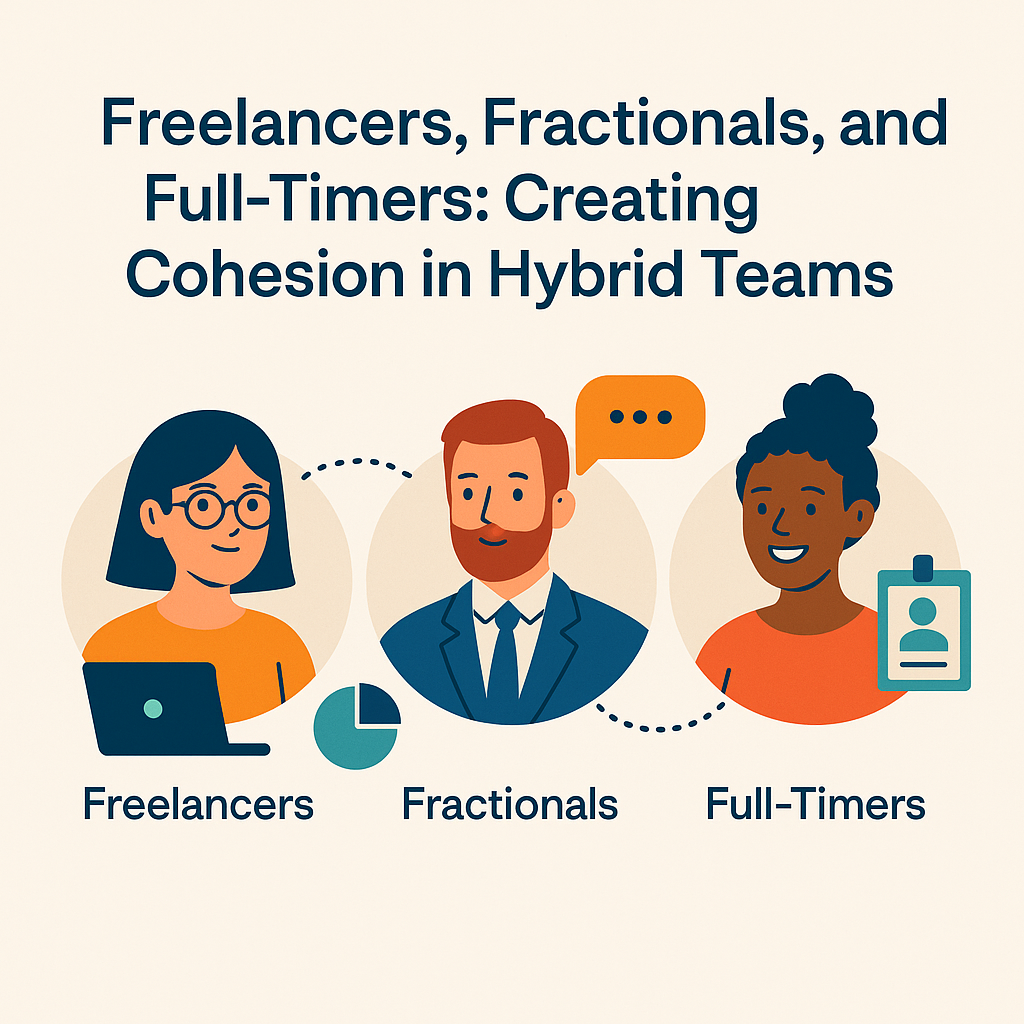
The workforce is no longer bound by cubicles or 9-to-5 contracts. In 2025, modern teams are often made up of a dynamic blend: freelancers, fractional employees, and full-time staff. This hybrid model opens doors to diverse expertise and agility—but without intentional leadership, it can also lead to silos, miscommunication, and cultural drift.
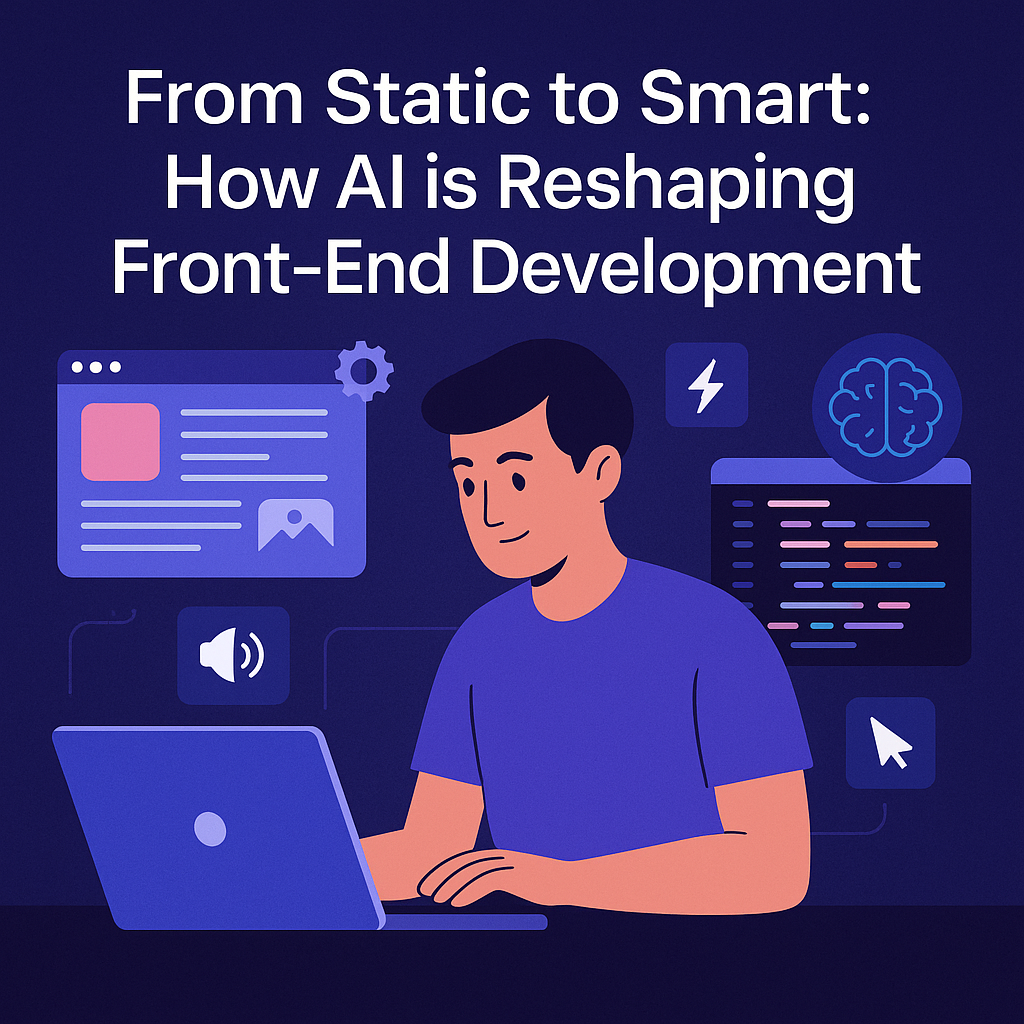
Front-end development is no longer just about writing HTML, CSS, and JavaScript. It’s evolving fast—thanks to artificial intelligence. AI is reshaping how developers design, build, and optimize websites in 2025. From auto-generated code to smart design suggestions, today’s front-end is dynamic, efficient, and intelligent.
Search is evolving fast—and traditional SEO isn’t enough anymore. The rise of AI-powered answer engines like ChatGPT, Perplexity, and Google’s Search Generative Experience (SGE) is ushering in a new era: Answer Engine Optimization (AEO). If your brand isn’t ready to show up in these answers, you’re already behind.
Search is no longer just about Google. In 2025, people are discovering brands, answers, and inspiration through TikTok, Instagram, LinkedIn, and YouTube. That’s right—social SEO is now the front door to your business. If you’re still optimizing only for traditional search engines, you’re missing the bigger picture.
In 2025, consumers expect more than just a “Hi [First Name]” in an email. They expect a seamless, relevant, and emotionally intelligent experience—across every touchpoint. But how do you do that at scale, without burning out your team or sounding like a robot?
If you’re stuck in reactive mode—constantly hustling for the next sale, client, or campaign—it might not be your systems that are broken. It might be your mindset.
AI has become the go-to term in marketing circles—but for many, it still feels more like a buzzword than a business tool. While headlines scream about “game-changing” innovations, most marketers are asking the same question: What’s actually working right now?
Company culture is not a poster on the wall, a values statement in your onboarding packet, or a one-time team-building event. It’s the lived experience of your team—shaped not by what you say, but by what you consistently do. For leaders, that means culture isn’t something you “set and forget”—it’s something you manage daily.