



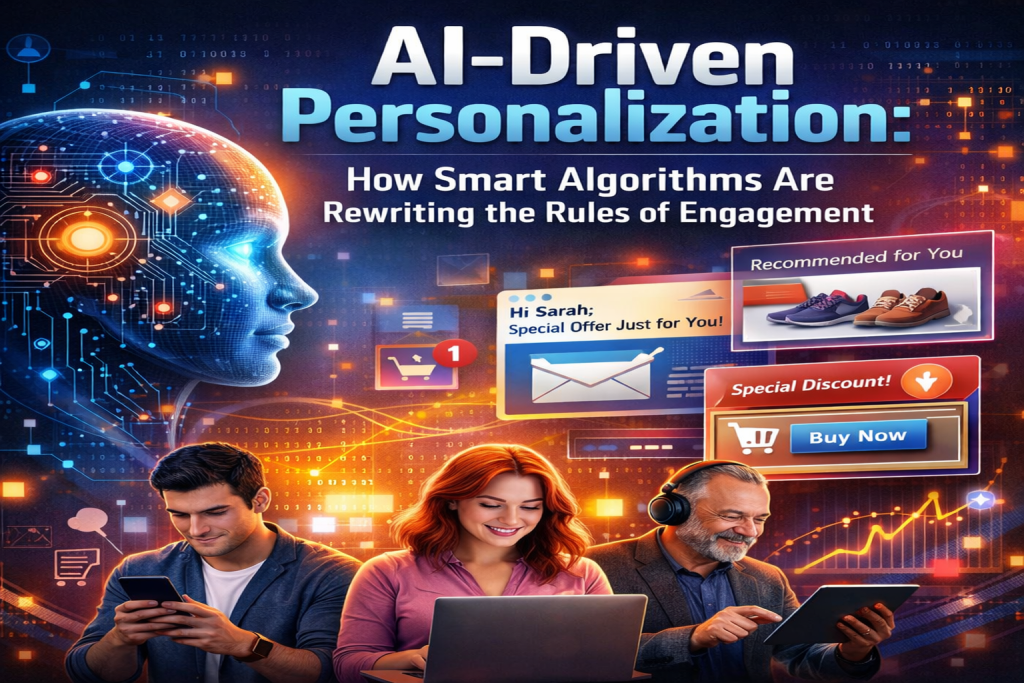

AI isn’t just optimizing engagement; it’s rewriting the rules entirely. Brands that embrace this shift are building deeper trust, higher conversion rates, and long-term loyalty. Those that don’t are fading into digital noise.
This article explores how AI-driven personalization works, why it matters now more than ever, and how businesses can use it responsibly to create meaningful engagement at scale.
AI-driven personalization uses machine learning, predictive analytics, and real-time data processing to tailor content, messaging, products, and experiences to individual users automatically.
Unlike traditional personalization—which relies on static segments like age, location, or job title—AI personalization is:
Dynamic (changes in real time)
Behavior-based (actions matter more than demographics)
Context-aware (device, timing, intent, and environment)
Continuously learning (gets smarter with every interaction)
In short, AI doesn’t just personalize—it anticipates.
Legacy personalization strategies typically rely on predefined rules:
“If user is in segment A, show message B”
“If they visited page X, send email Y”
These approaches break down because:
Consumers don’t follow linear journeys
Preferences change rapidly
Static segments ignore context and intent
Manual rules don’t scale
AI solves these problems by detecting patterns humans can’t see, across massive datasets, in real time.
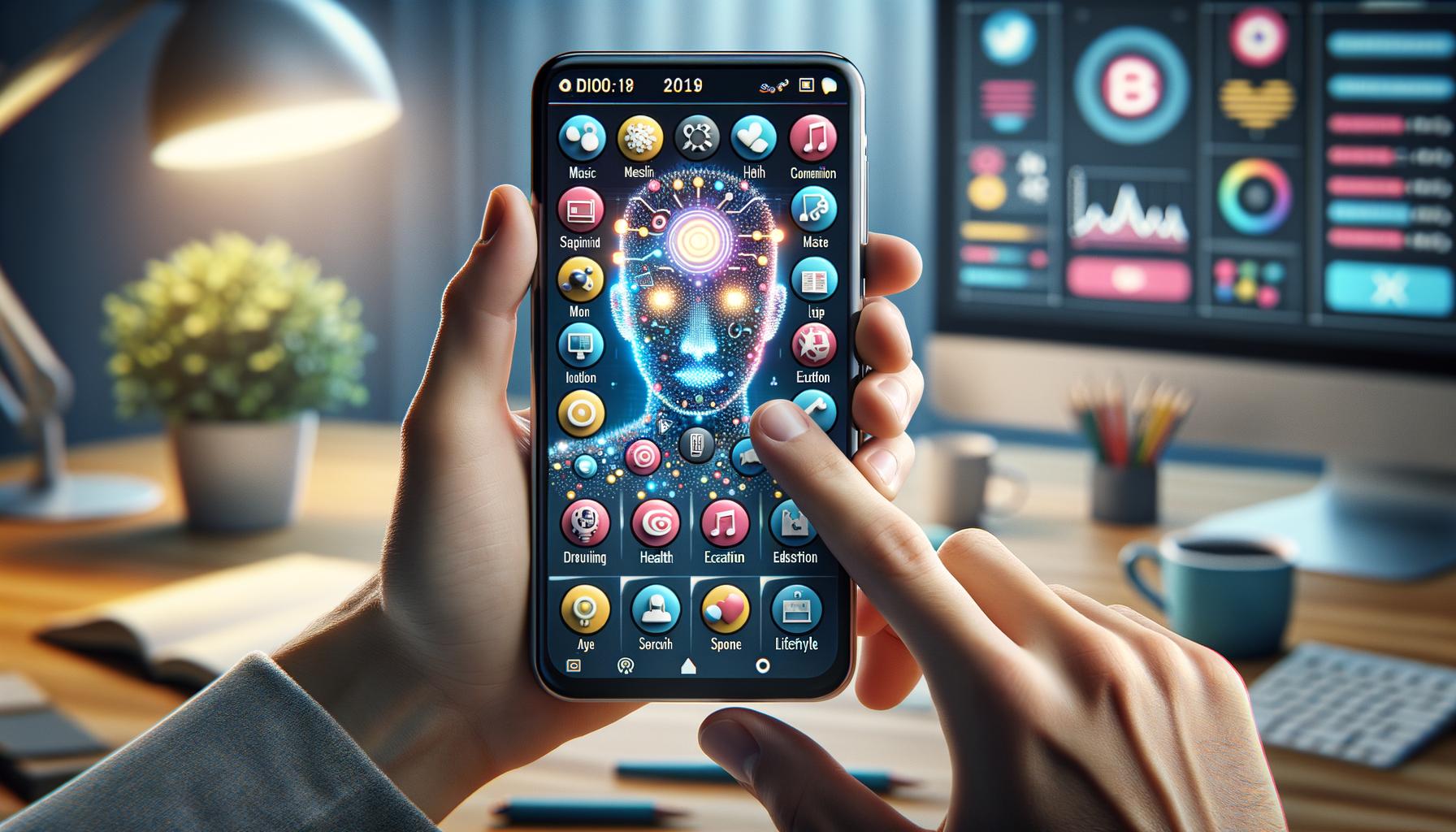

AI tracks micro-signals like:
Scroll depth
Time on page
Click hesitation
Repeated searches
Device switching
These signals reveal intent, not just interest. AI then adjusts experiences instantly—changing headlines, CTAs, layouts, or offers in the moment.
Result: Engagement feels intuitive, not interruptive.
Instead of reacting, AI predicts:
What content a user wants next
When they’re most likely to convert
Which channel they prefer
What will cause churn
Predictive models allow brands to:
Deliver content before users ask
Reduce friction in decision-making
Increase lifetime value
This is personalization that feels proactive, not creepy.
AI can personalize:
Blog recommendations
Email subject lines
Landing page layouts
Product suggestions
Video thumbnails
Push notification timing
One piece of content can now generate hundreds of personalized variations, each optimized for relevance.
At the top of the funnel, AI helps brands:
Serve personalized ads based on real intent signals
Customize social feeds and suggested content
Optimize headlines dynamically
Instead of interrupting, brands blend into discovery moments.
During evaluation, AI personalizes:
Case studies shown
Testimonials displayed
Feature comparisons
Educational content sequencing
This builds confidence without overwhelming users.
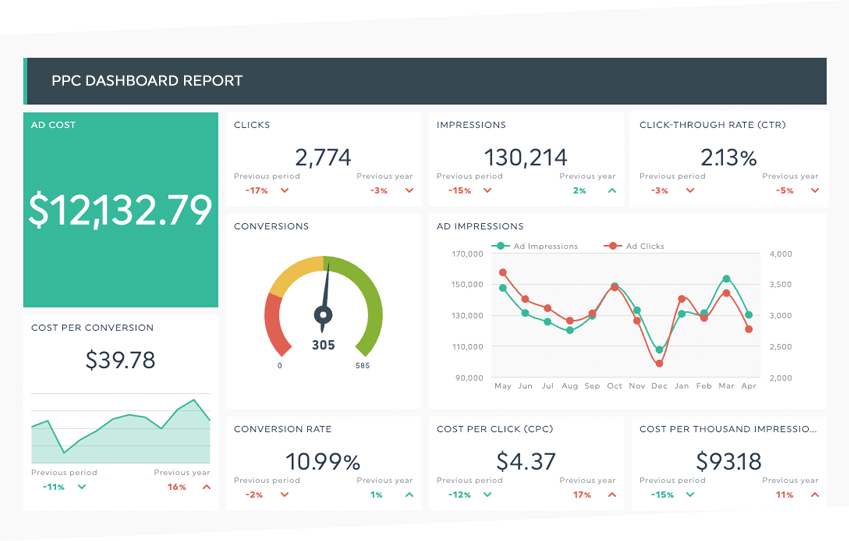
AI increases conversions by:
Optimizing checkout flows
Personalizing pricing or bundles
Triggering real-time offers
Adjusting CTAs based on readiness
Small changes driven by AI often deliver massive ROI.
Post-purchase personalization includes:
Smarter onboarding
Usage-based recommendations
Predictive support
Personalized re-engagement campaigns
Retention is no longer reactive—it’s predictive.
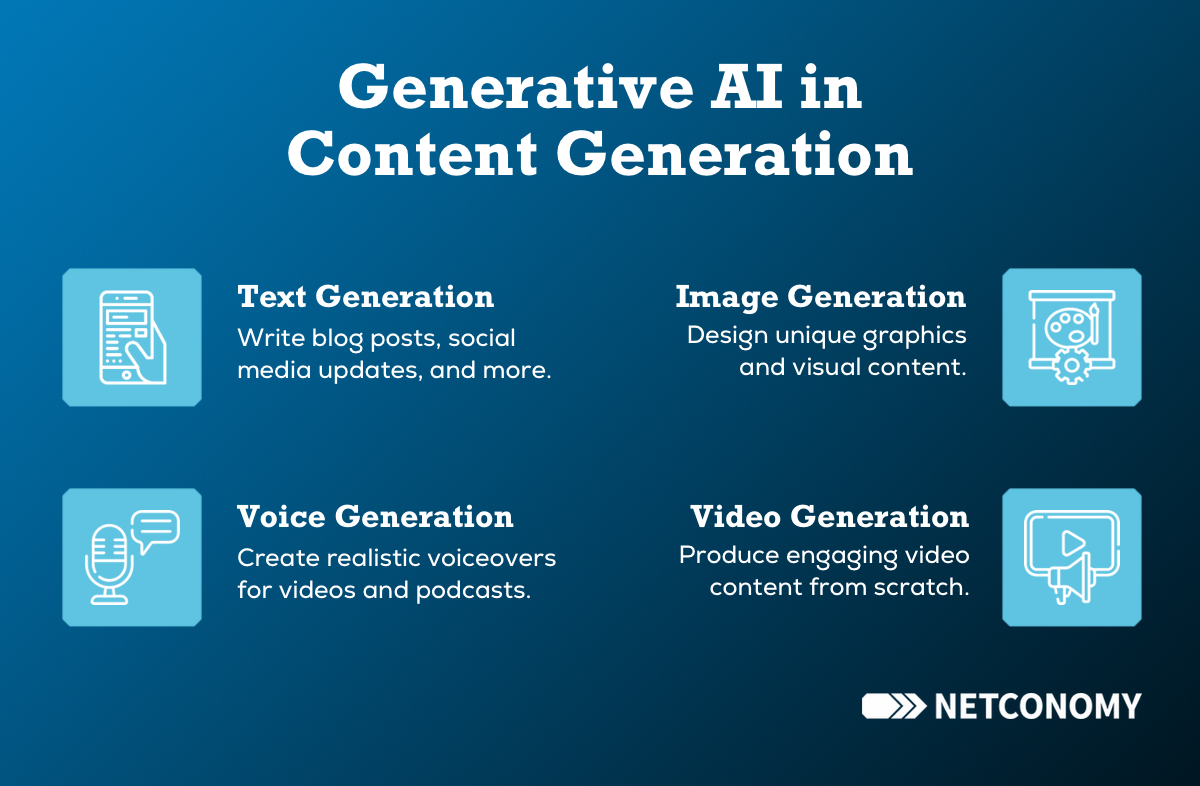
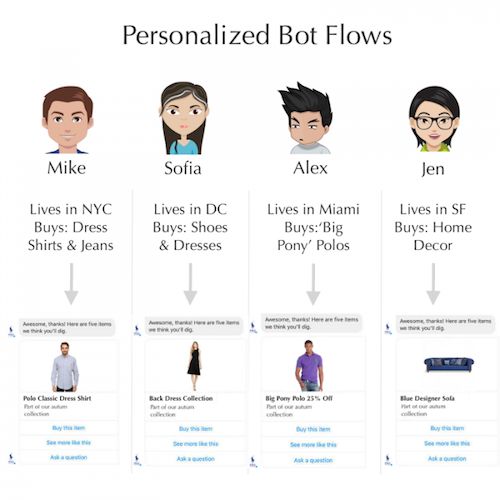
Generative AI takes personalization to another level by creating content on demand.
Examples include:
Personalized email copy written in real time
Dynamic product descriptions
Conversational AI chat experiences
Customized learning paths
Instead of choosing from existing assets, AI can generate exactly what the user needs, when they need it.
With cookies disappearing and privacy regulations tightening, AI-driven personalization relies heavily on:
Website behavior
CRM interactions
Purchase history
Email engagement
App usage
Brands that invest in ethical first-party data strategies gain a massive advantage.
AI evaluates context such as:
Time of day
Device type
Location relevance
Past interactions
Current intent
Contextual personalization outperforms demographic targeting every time.
AI personalization walks a fine line between helpful and invasive.
Be transparent about data usage
Offer real control and preferences
Avoid manipulation tactics
Prioritize value over extraction
Design for consent, not coercion
Trust compounds faster than clicks.
Organizations using advanced AI personalization report:
Higher engagement rates
Increased conversion velocity
Improved customer satisfaction
Reduced churn
Stronger brand affinity
More importantly, they build relationships, not just funnels.
Over-automation without human oversight
Personalization without strategy
Ignoring data quality
Treating AI as a replacement for empathy
Scaling personalization without governance
AI amplifies intent—good or bad.
Start with the human outcome, not the technology.
AI is only as smart as the data it learns from.
Pilot personalization in one channel before expanding.
AI handles patterns; humans provide meaning.
AI-driven personalization isn’t about tricking users into clicking. It’s about respecting attention, honoring intent, and delivering value in every interaction.
The brands winning tomorrow are not the loudest—they’re the most relevant.
Personalization powered by AI turns engagement from a transaction into a conversation. And conversations build trust.
AI has shifted the expectation bar permanently. Consumers don’t compare your brand to competitors—they compare it to the best experience they’ve ever had.
AI-driven personalization is how brands meet that expectation at scale—without losing the human touch.