From Burnout to Belonging: The Culture Shift That’s Powering Business Growth in 2025
Burnout didn’t appear suddenly in 2025 — but it finally reached a breaking point.
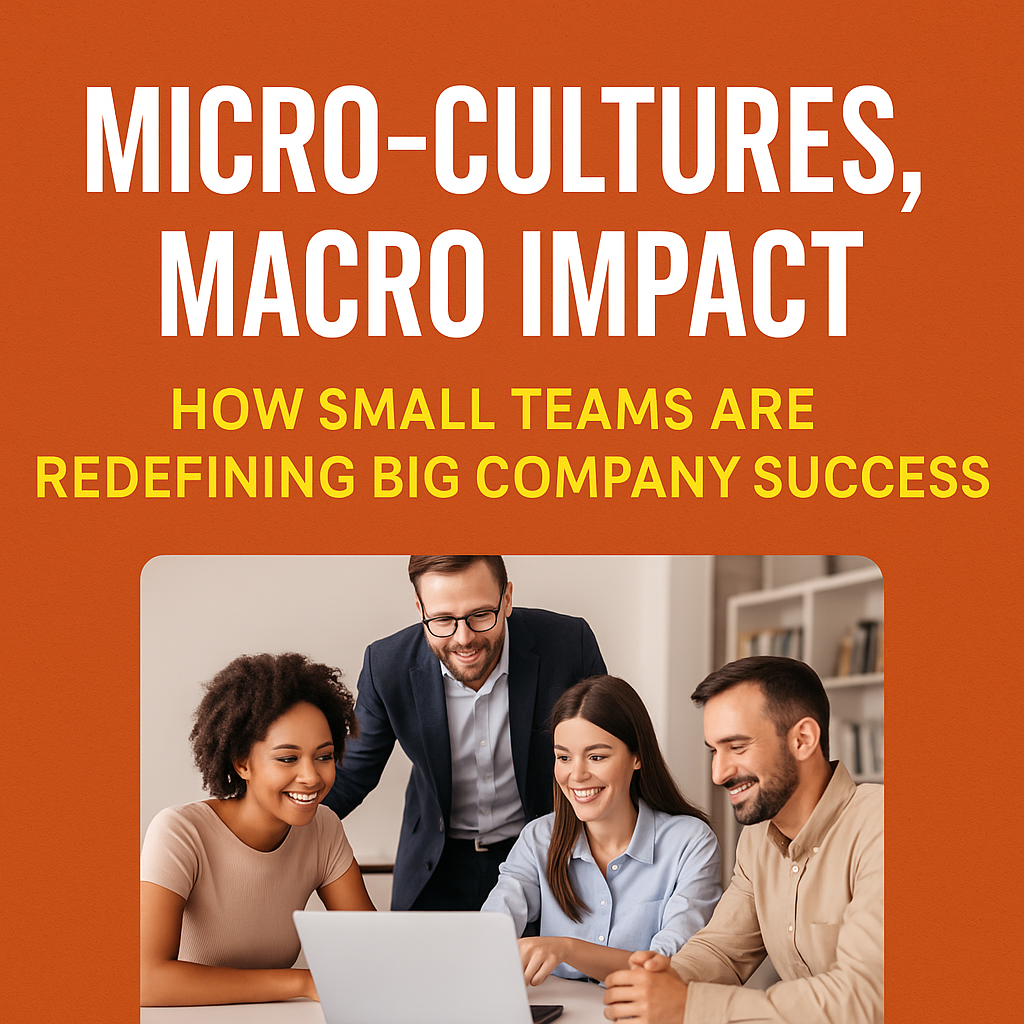
In a business world obsessed with scale, companies often pour resources into hiring more people, building more layers, and creating bigger infrastructures. Yet, the most groundbreaking shifts in performance, innovation, and culture aren’t coming from large divisions—they’re coming from micro-cultures.
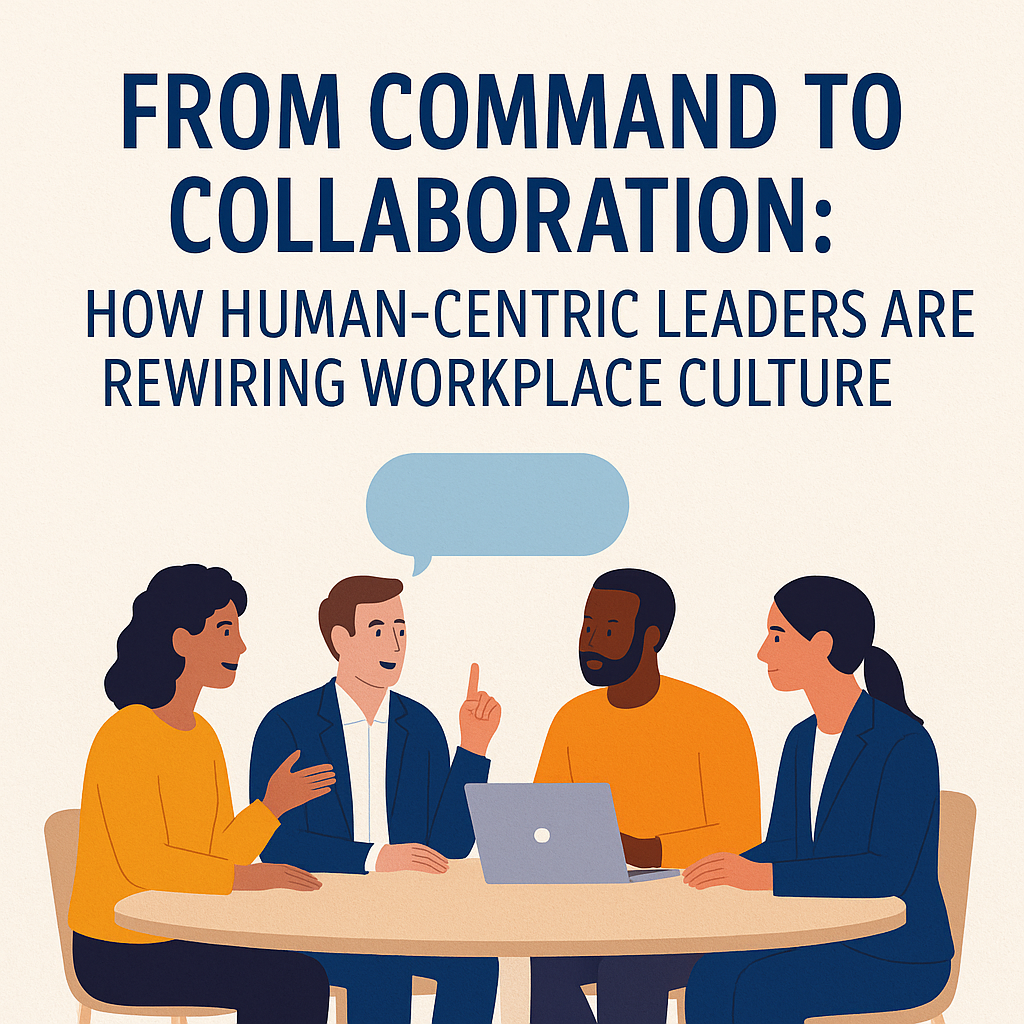
In a world of accelerating change, organizations can no longer rely on rigid, top-down models of direction and control. The command-and-control leadership paradigm is losing relevance—and with it, the capacity to attract, motivate, and retain talent. In its place, a new form of leadership is emerging: one rooted in empathy, trust, and collaboration. Human-centric leaders are rewriting the rules of workplace culture, and those who embrace this shift are reaping benefits in engagement, innovation, and resilience.
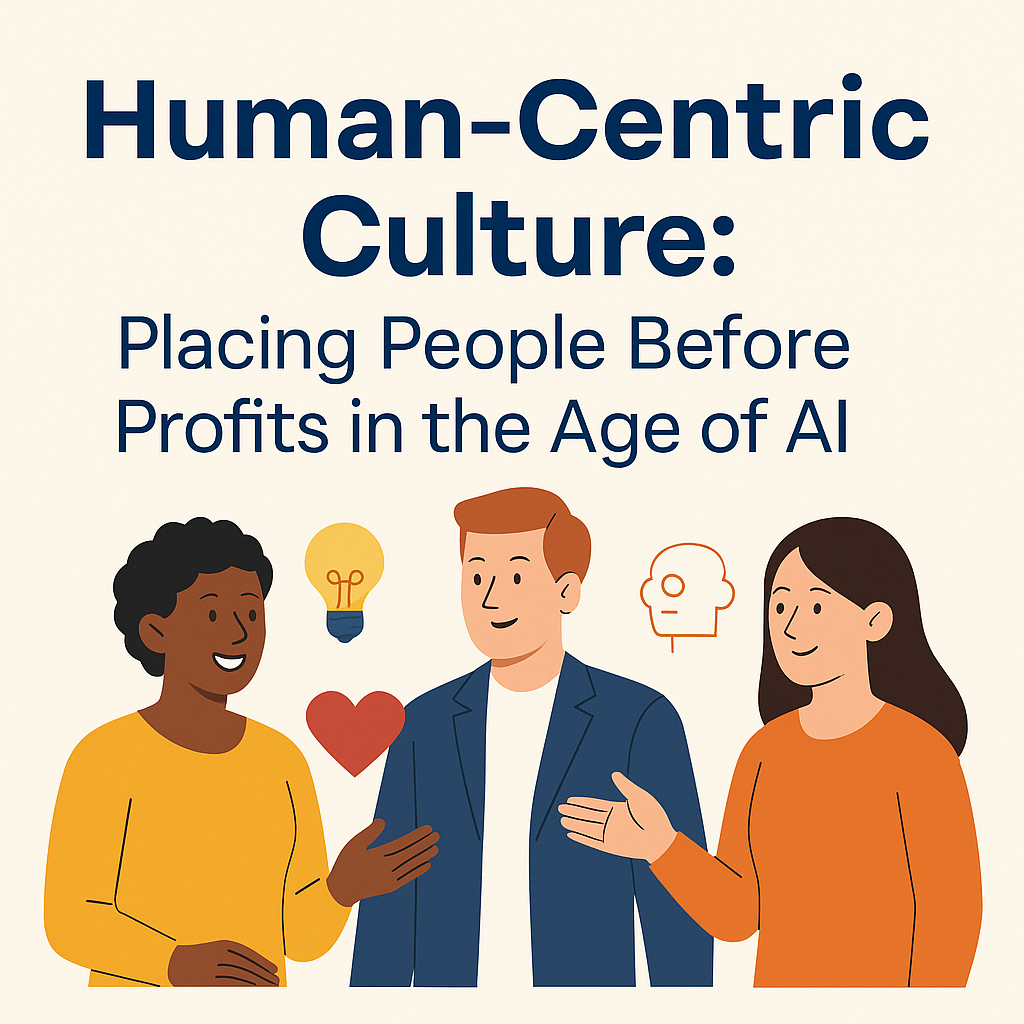
We’re living in a moment where algorithms decide what we see, automation handles tasks once done by humans, and businesses face constant pressure to scale. While AI and technology promise efficiency and growth, there’s a growing risk of overlooking the very thing that makes businesses thrive—people.
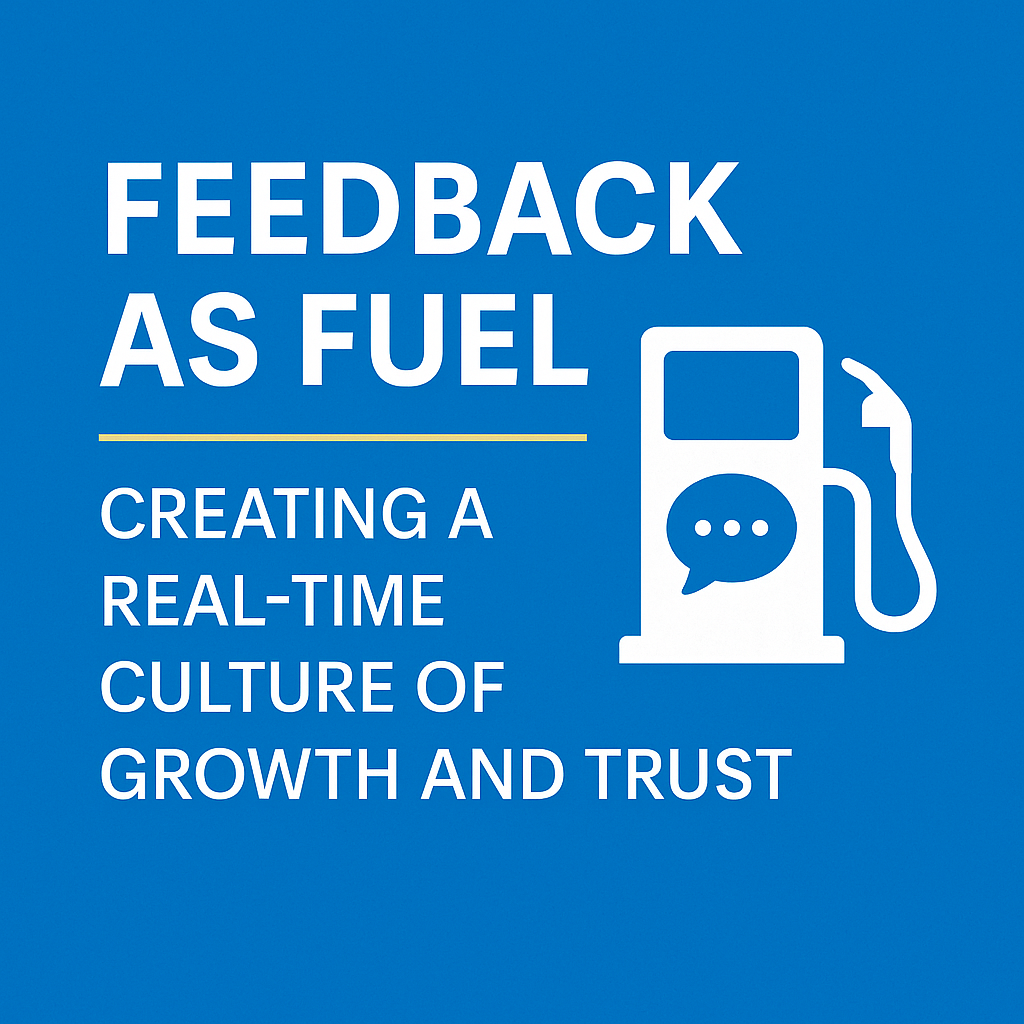
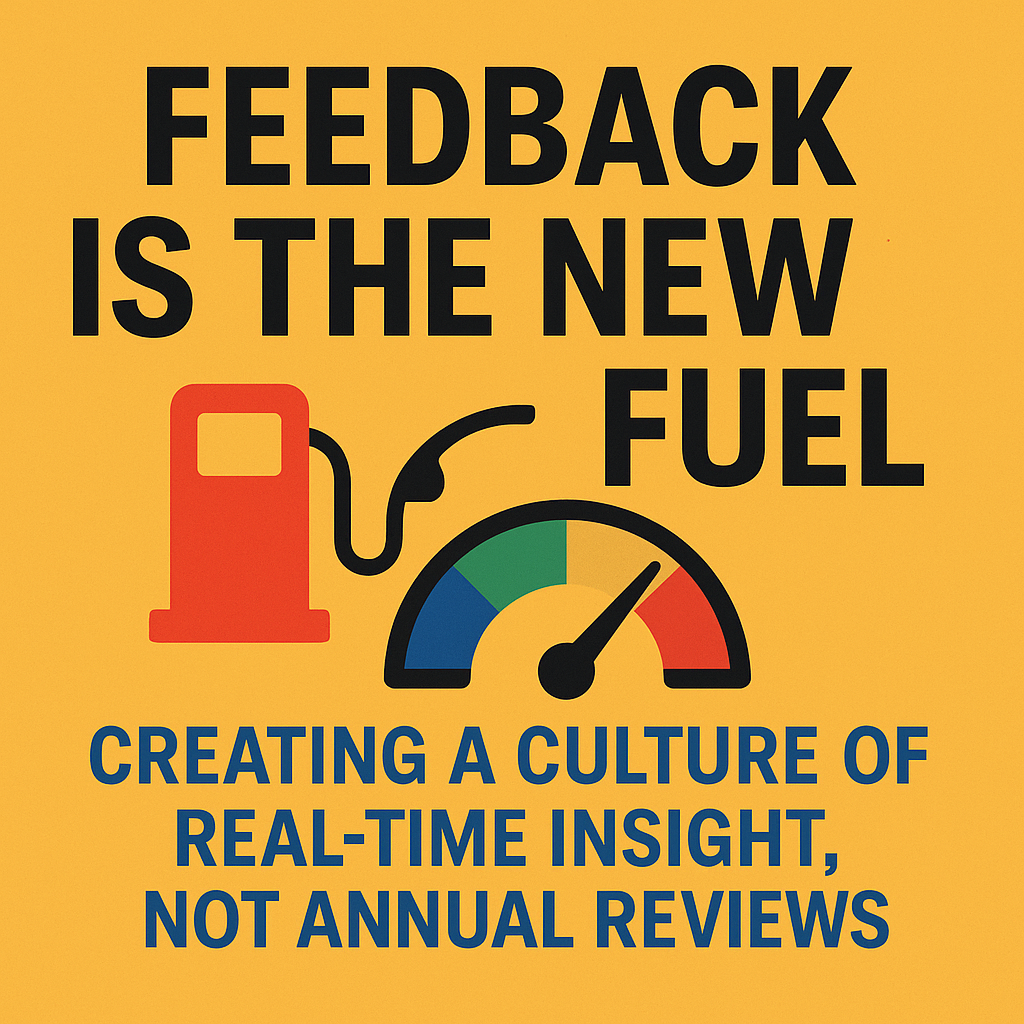
In today’s fast-moving business world, feedback is no longer a yearly ritual—it’s the lifeblood of growth, trust, and performance. Annual performance reviews, with their dusty forms and rigid processes, feel outdated in a workplace that demands agility and human connection. Instead, organizations that thrive in 2025 are those that treat feedback as fuel: immediate, actionable, and woven into the everyday flow of work.
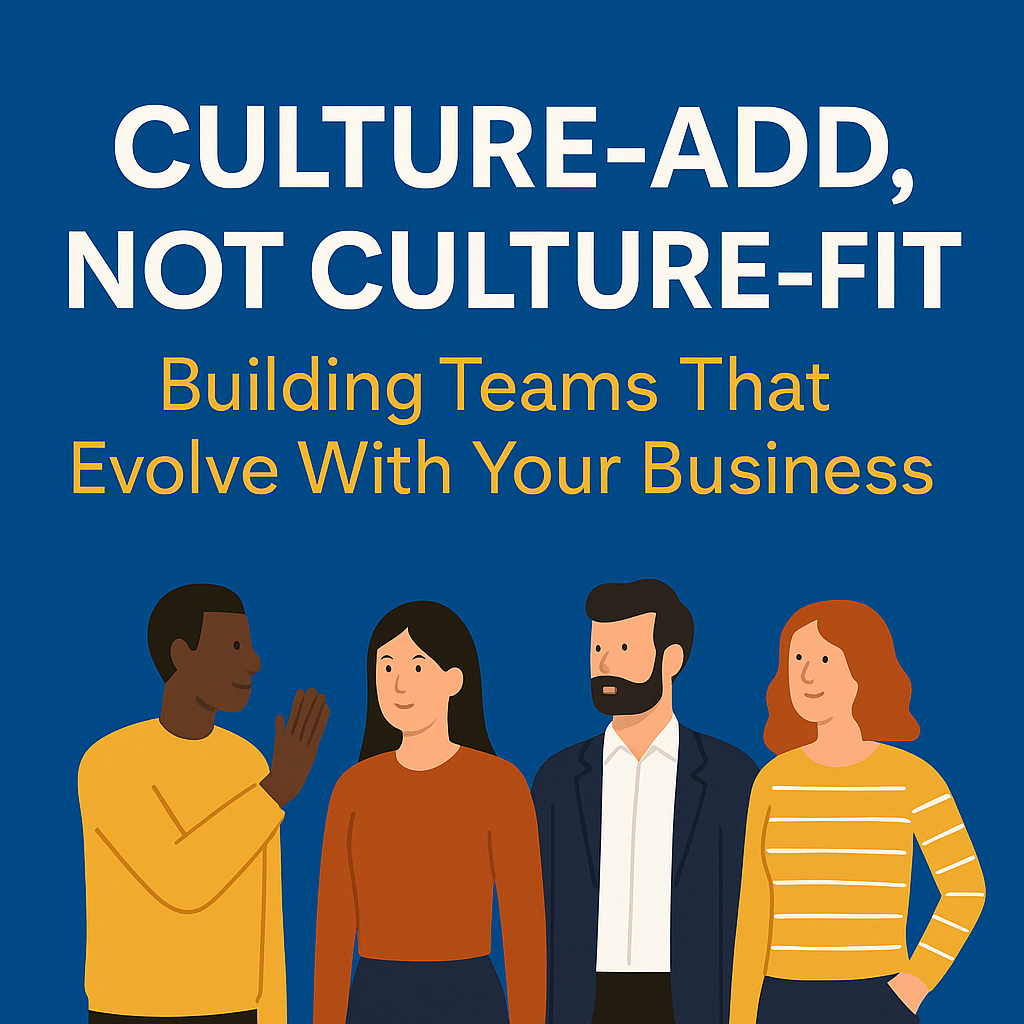
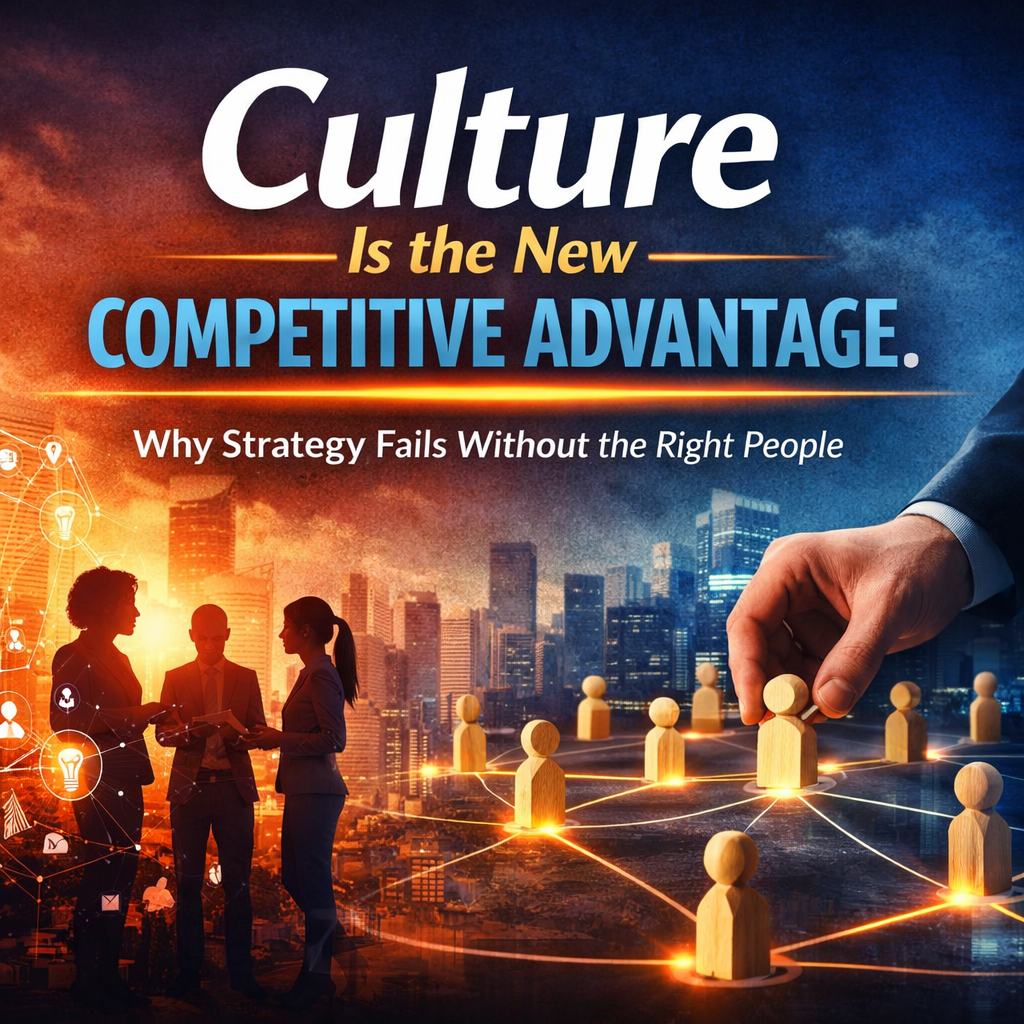
The way we think about culture in the workplace has undergone a radical shift over the last decade. For years, business leaders leaned on “culture fit” as a benchmark for hiring. If a candidate shared similar traits, values, or behaviors with the existing team, they were considered a “good fit.”
For decades, businesses have relied on the annual performance review to guide employee growth and measure results. But in today’s fast-moving world, waiting 12 months to give feedback is like waiting a year to refuel your car—you’ll stall long before you get where you’re going.
When it comes to building a high-performing team, especially in fast-moving industries like marketing, the phrase “culture fit” has long been considered a hiring holy grail. But here at Razor Sharp Digital, we’ve seen firsthand that this concept is not only outdated — it’s limiting.