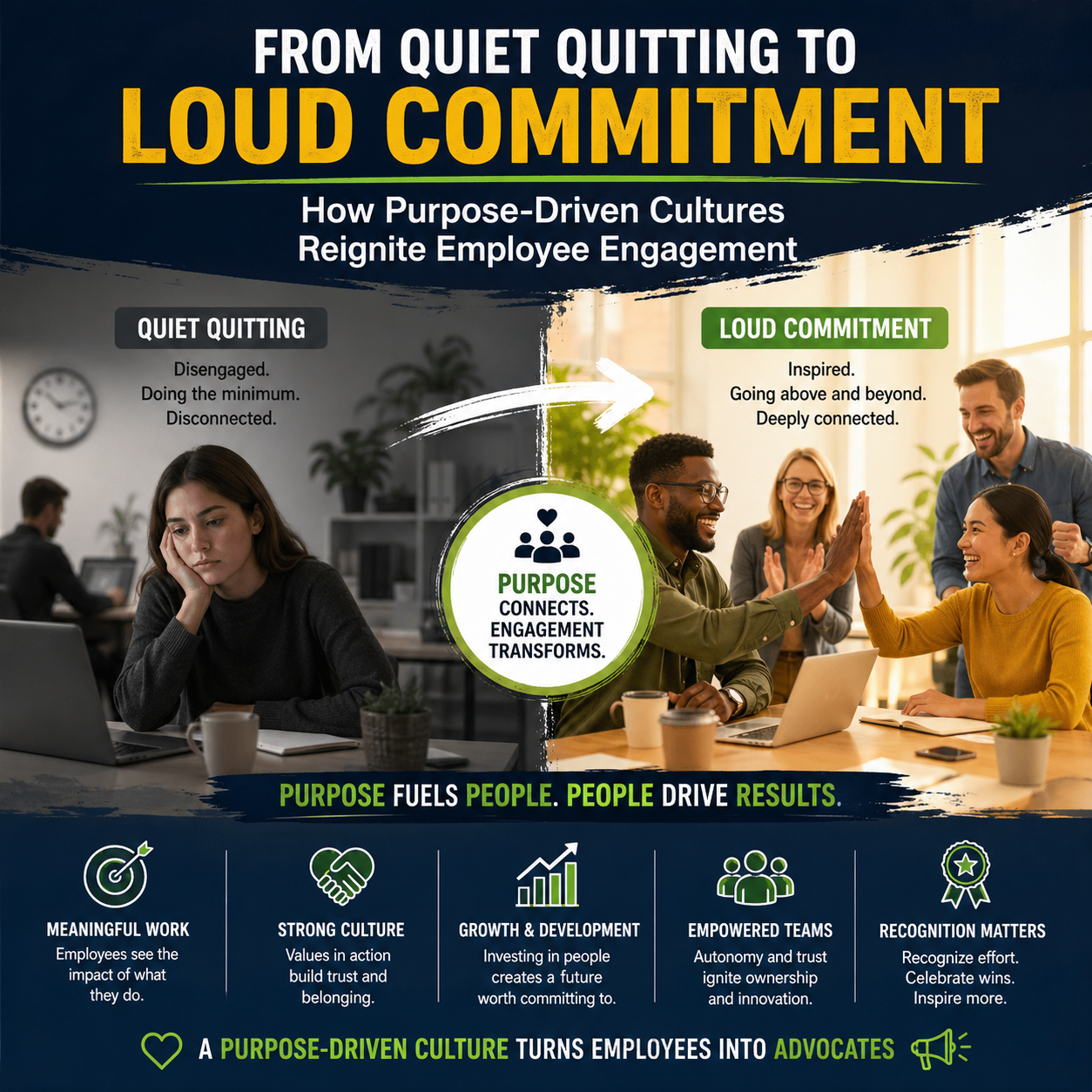
From Burnout to Belonging: The Culture Shift That’s Powering Business Growth in 2025
Burnout didn’t appear suddenly in 2025 — but it finally reached a breaking point.
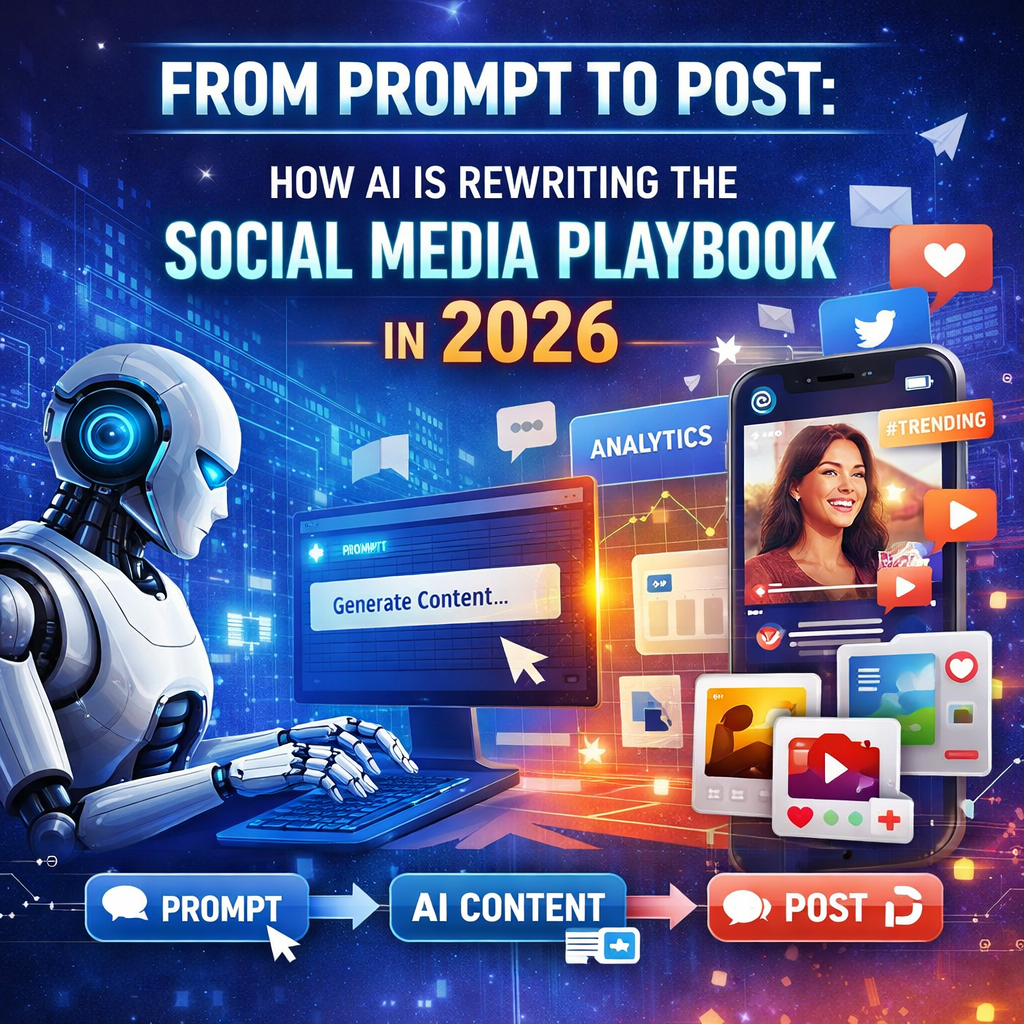
In a world where content demand is growing faster than human teams can produce it, marketers face a new challenge: create more, faster, without sacrificing quality. AI has become the ultimate force multiplier—empowering brands to turn a single idea into entire ecosystems of content across every channel.
In a digital world where attention spans are shrinking and competition is multiplying, a beautiful website is no longer enough. Brands can no longer rely on visually appealing layouts, pretty color palettes, or clever animations to convert customers. The modern website has evolved into a marketing engine—an integrated, data-driven ecosystem designed to attract visitors, nurture them through their journey, and convert them into loyal customers.
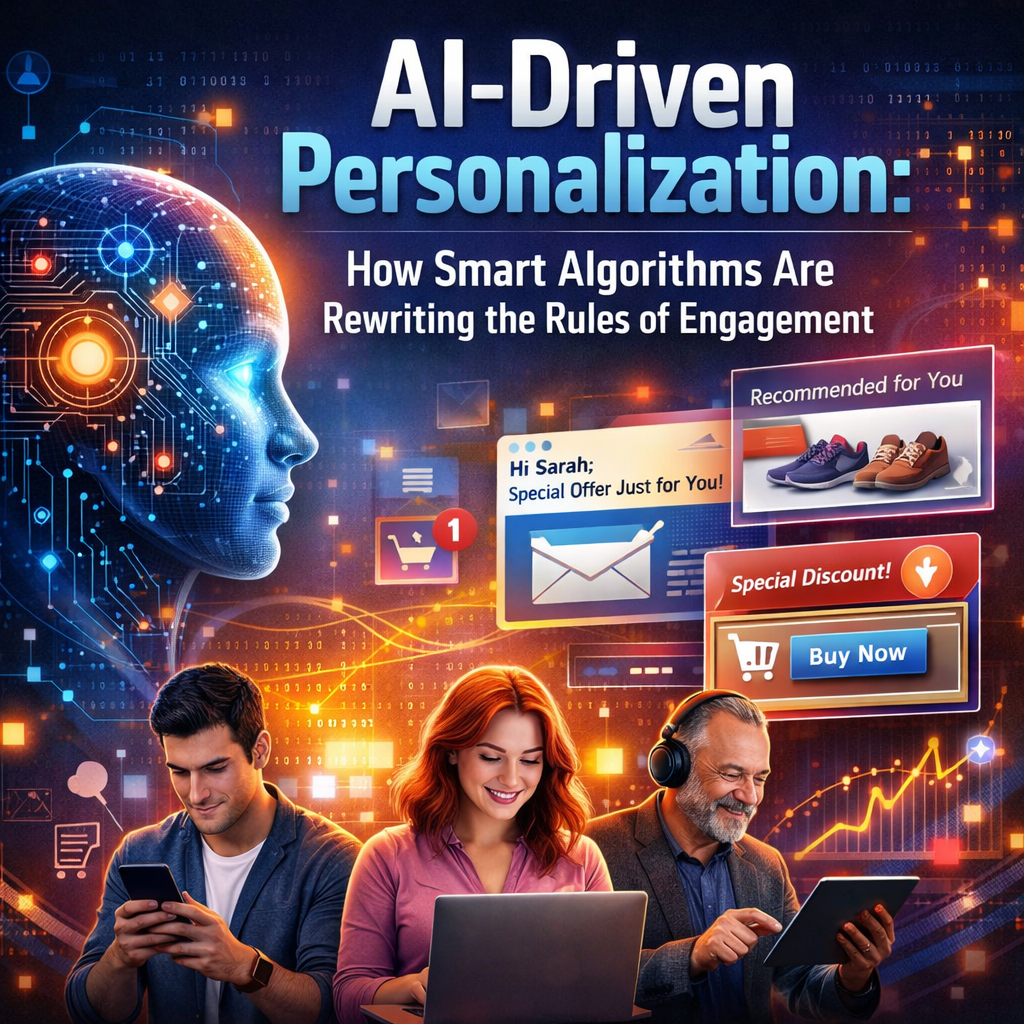
Customer expectations have changed more in the last five years than in the previous fifty. Today’s digital audience no longer simply responds to marketing—they anticipate it. They look for frictionless experiences, real-time interactions, and brands that understand their needs before they even ask.
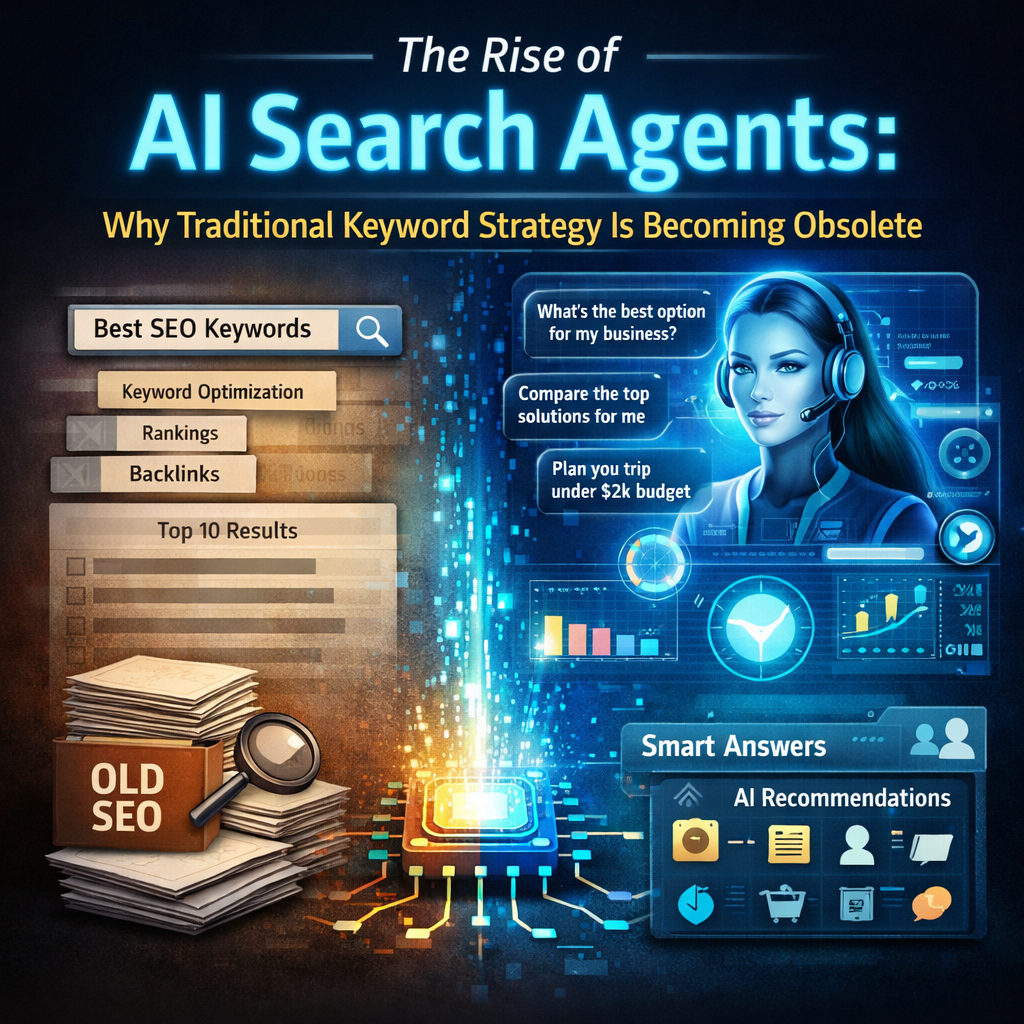
Search engine optimization has always evolved in response to technology. From keyword stuffing to semantic search, from mobile-first indexing to AI-driven ranking systems—SEO practitioners have consistently adapted to algorithmic changes. But a new technological wave is emerging that has the potential to radically reshape the foundations of digital search: quantum computing.
In a world where algorithms evolve faster than we can refresh our feeds, one truth remains: visibility is everything. Brands fight endlessly for attention through hashtags, keywords, paid ads, formats, engagement hacks, and whatever new platform feature hits the market next week.
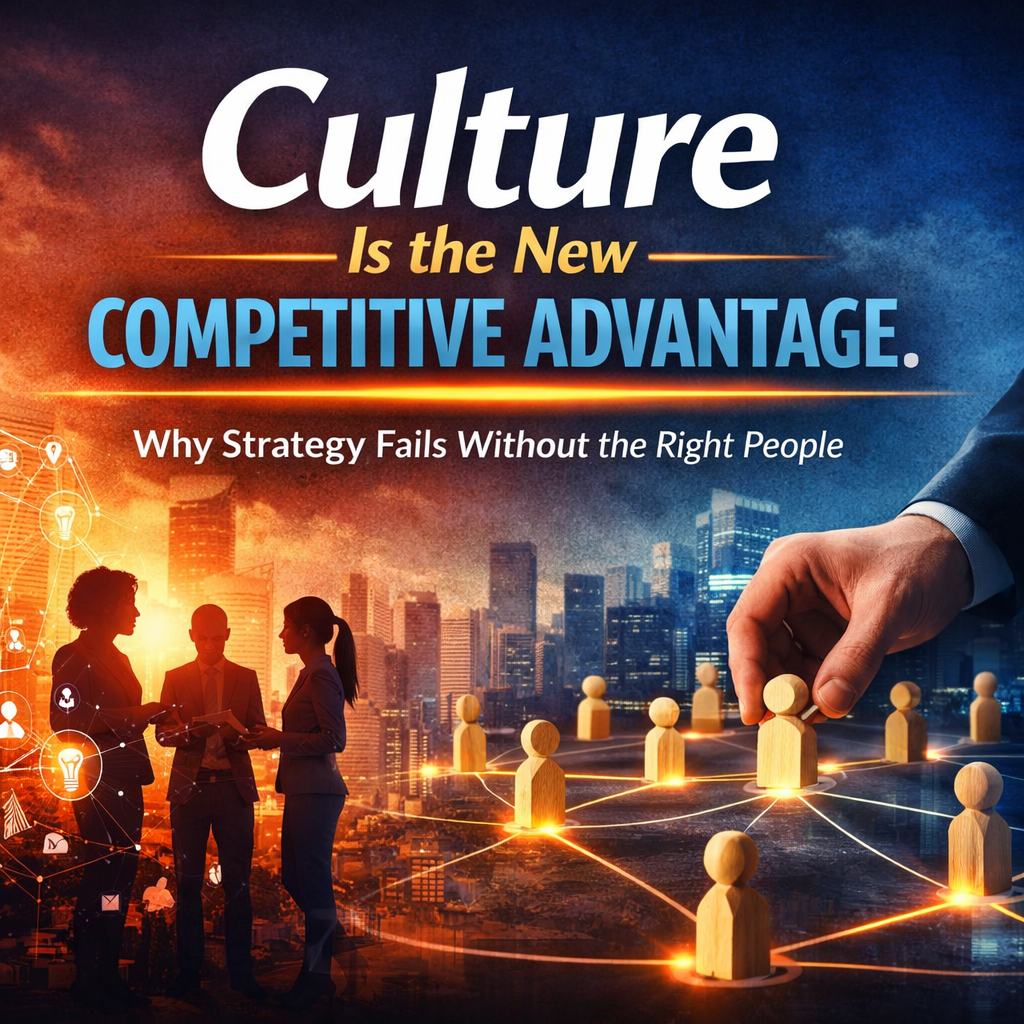
In a business world obsessed with scale, companies often pour resources into hiring more people, building more layers, and creating bigger infrastructures. Yet, the most groundbreaking shifts in performance, innovation, and culture aren’t coming from large divisions—they’re coming from micro-cultures.
In a world where customer expectations shift overnight and digital experiences determine who wins or loses online, traditional web design is no longer enough. Static layouts, guess-based UX decisions, and outdated “launch it and leave it” approaches are quickly becoming obsolete. Today’s most successful brands are leaning into a new era of digital innovation—predictive design, a fusion of artificial intelligence, real-time user data, and behavioral insight that transforms websites from passive destinations into active growth engines.
In 2025, web design is no longer just about looking good. It’s about feeling right. It’s about delivering experiences that keep users engaged, build trust instantly, and guide people into taking action without friction. Today, your website isn’t merely a digital storefront—it’s the center of your brand experience, the heartbeat of your marketing ecosystem, and the ultimate conversion engine.
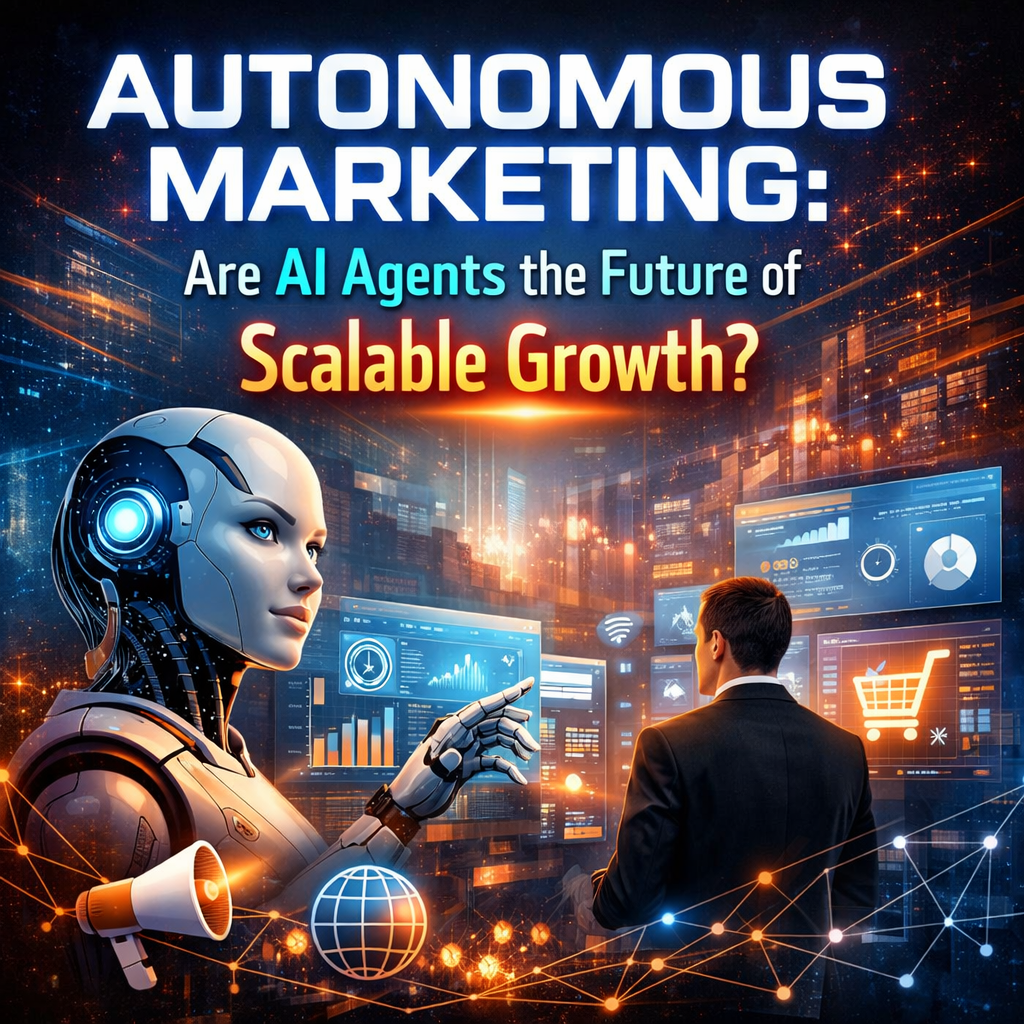
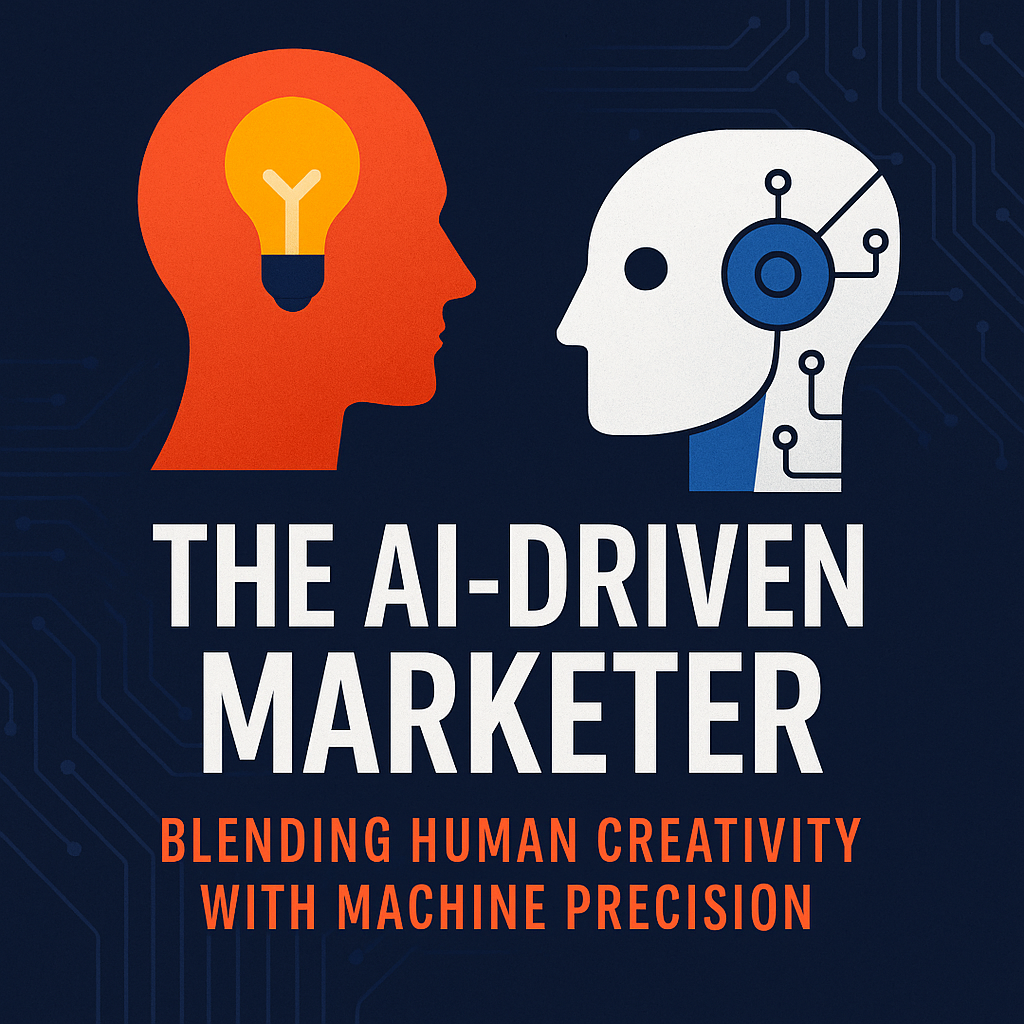
In the ever-shifting landscape of marketing, we’re moving fast from “automation only” to something more nuanced, more powerful: the human + AI hybrid model. It’s not simply about replacing humans with machines. Rather, it’s about combining the best of both worlds — the scale, speed and pattern-recognition of artificial intelligence (AI) with the empathy, creativity and strategic insight of humans. This marks a new era in marketing: one where data-driven automation meets human-centered experience.