





The goal isn’t to send more email. It’s to send useful messages to people who have a reason to hear from you.
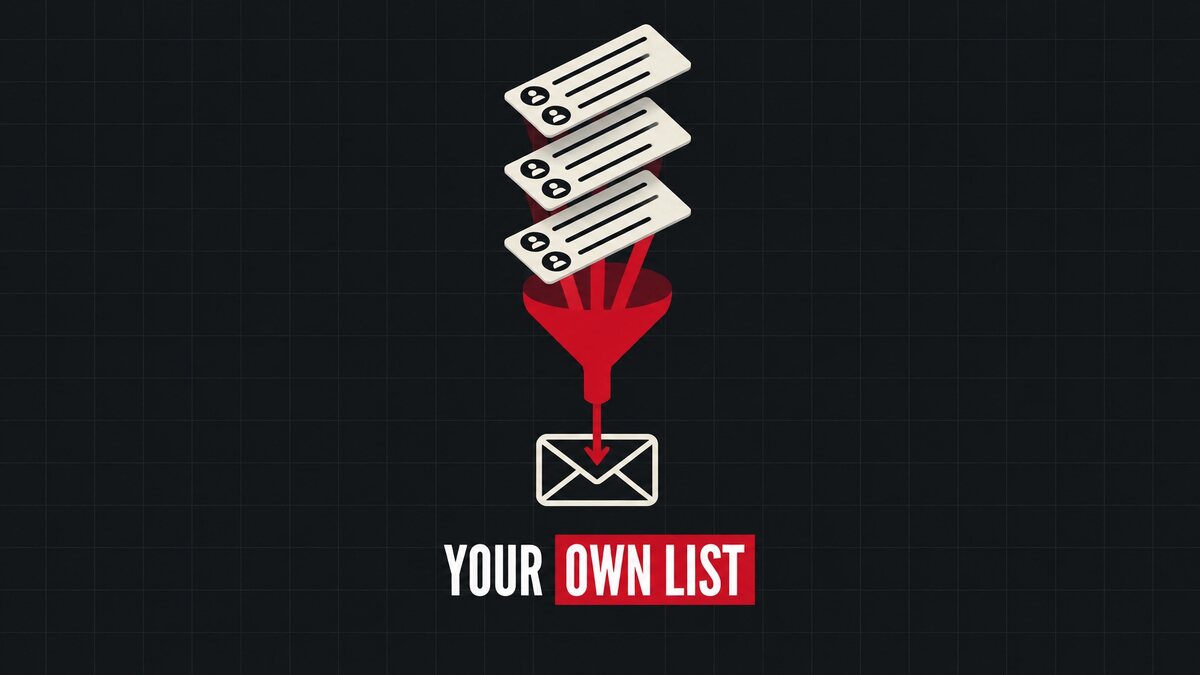
Social platforms and search can help new customers discover you, but access to those audiences is controlled by platforms. Email gives you a more direct way to stay in touch with customers and prospects who have shared their address and expect to hear from you.
That doesn’t mean every message will land in the inbox or get read. Email providers still filter messages, and subscribers can leave at any time. But a carefully built list gives you a channel for follow-up that doesn’t depend on buying another click or hoping a social post reaches the right person.
A modest list can be valuable because it contains people who already know your business: a homeowner who requested an estimate, a retail customer who bought from you, or a parent who signed up for updates from a local sports club. The relationship matters more than the list size.
If you’re considering how audience ownership fits into your wider marketing, our article on zero-click marketing and the value of owning your audience explores the difference between building a direct connection and depending entirely on rented attention.
Before choosing an email platform or planning a newsletter, find out which contacts you can appropriately email. Potential sources include:
Permission matters. A person giving you an email address to receive a receipt or answer to a service enquiry doesn’t automatically mean they expect ongoing promotions. Make it clear what subscribers are signing up for, and keep a record of how they joined.
Buying a list may look like a shortcut, but it’s one of the fastest ways to damage your domain reputation. People who don’t recognize your business may mark messages as spam, and a poor sending reputation can make it harder for your legitimate emails to reach the inbox.
For a new subscriber, send a welcome email. If you already have permission to contact past customers but haven’t emailed them before, start with a thoughtful reactivation message instead. In either case, keep the first send simple.
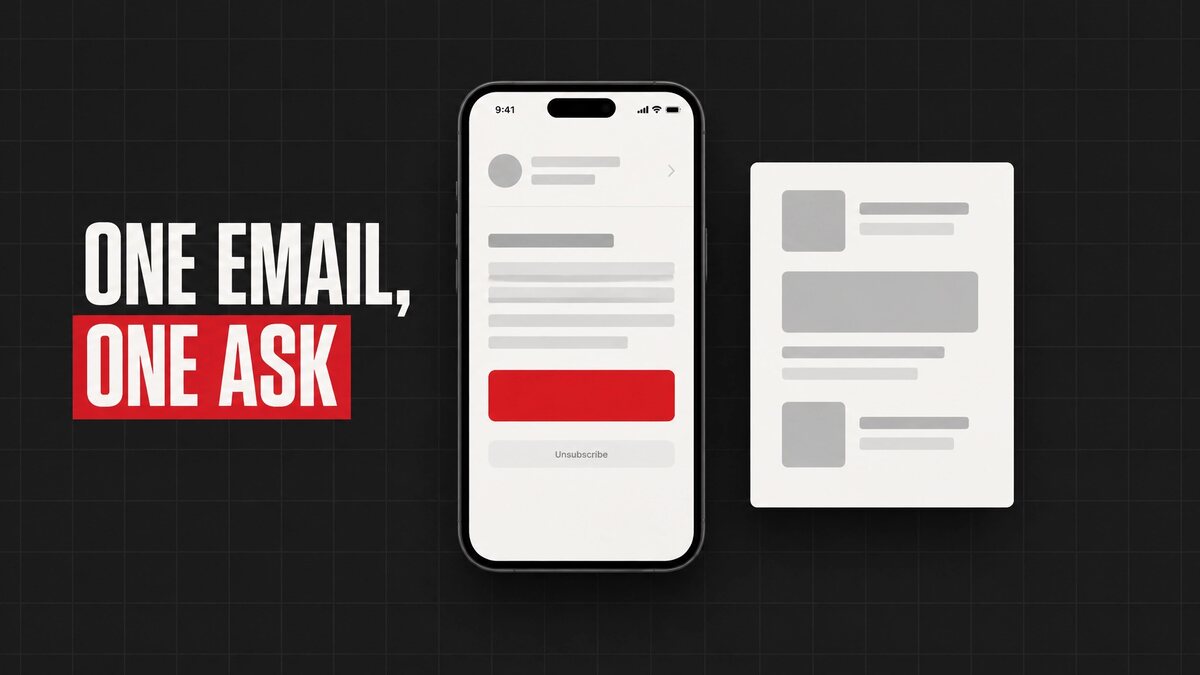
A useful first email has four parts:
For example: “Hi Jordan, you asked us about a furnace estimate earlier this year. If you’re still comparing options, reply to this email and we’ll help you figure out the next step. If you’d rather not hear from us, you can unsubscribe below.”
For a first send, plain text can feel more personal than a polished promotional template. Write the way you’d speak to a customer across the counter or after a job, not like a campaign trying to impress another marketer.
Monthly beats sporadic. Weekly can work better if you have something useful to share and can sustain the effort. But sending when you have something worth saying beats following a schedule you abandon in March.
The “we must email weekly” trap often produces filler: a generic update, another discount, or a message with no clear value. Readers notice when each email exists only to keep a calendar full.
Choose a rhythm you can maintain. A seasonal HVAC reminder might make sense before extreme temperatures arrive. A sports club could send timely registration or schedule updates. A retailer might share a product story or genuinely useful offer when it’s relevant. Keep expectations clear when people sign up, then be consistent enough that your name isn’t a surprise.
A small business email newsletter doesn’t need to be a roundup of company news. It can be a short, helpful message built around one customer question, service, or moment. Here’s a six-email rotation you can adapt; one slot alternates between two useful formats.
A finished project can show your work without sounding like a hard sell. A clear explanation of pricing, timing, or process can help a prospect decide whether to move forward. Behind-the-scenes details can make your team more familiar. Offers can work, too, when they’re real and relevant, not a permanent countdown.
Here’s a quick comparison of what tends to help a message earn attention and action:
| More likely to get opened and acted on | More likely to be ignored |
|---|---|
| A recognizable sender and specific subject line | An unfamiliar sender or vague subject |
| One useful idea and one clear next step | Several unrelated announcements and competing links |
| A relevant message for the recipient | The same promotion sent to everyone |
| Plain, readable copy with a human tone | An image-only email that looks like an ad |
| A real reason to write now | Filler sent only to meet a schedule |
Deliverability is the practical question of whether email providers accept and place your messages in inboxes rather than spam folders. Good habits help: authenticate your sending domain, don’t buy lists, remove invalid addresses, make unsubscribing easy, avoid misleading subject lines, and send consistently enough that your pattern makes sense.
Google’s email sender guidelines explain authentication requirements for senders. If you use an email platform, follow its setup instructions for your domain’s authentication records, including SPF and DKIM where applicable. Ask your website or IT provider for help if you’re unsure; a small setup mistake can affect where your messages land.
In the United States, the CAN-SPAM Act governs commercial email. Your emails should include a working unsubscribe option and a physical postal address. If you’re contacting people in other countries, check the rules that apply to those recipients as requirements vary.
Don’t judge a campaign by opens alone. Apple’s Mail Privacy Protection can cause tracking images to load even when a person hasn’t actually read the email, making open rate a less dependable signal than it used to be.
Focus on clicks, replies, and business outcomes: Did a reader visit the service page? Reply with a question? Book a job, appointment, or consultation? Use links that make it possible to connect a campaign with relevant website activity or enquiries, and keep track of unsubscribes and spam complaints as signs that something may need to change.
A 20% open rate can beat a 45% one if the 20% clicks. The important question is whether the message helped a real person take a meaningful next step, not whether a single dashboard number looks impressive.
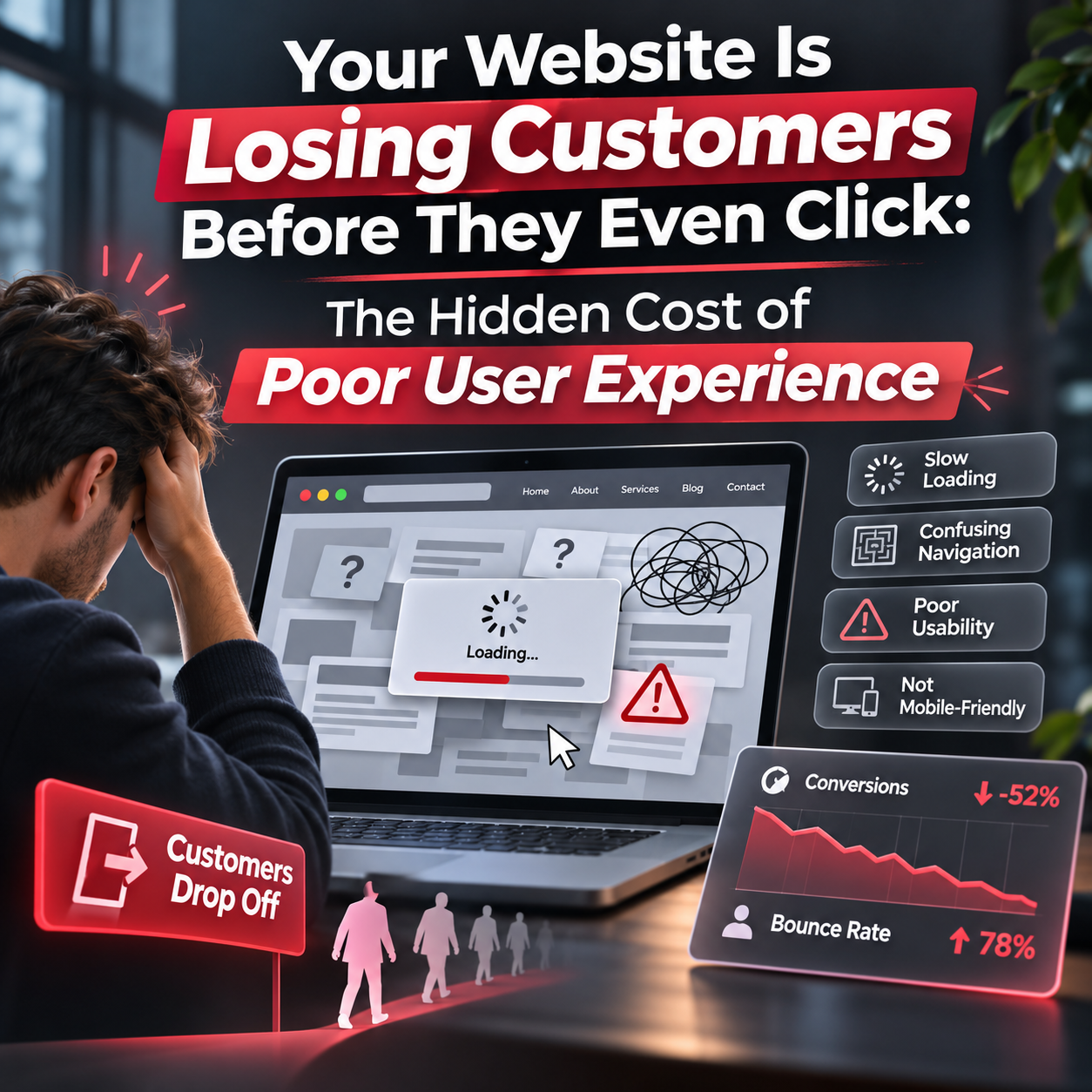
Also pay attention to where the email sends people. If your landing page is confusing or difficult to use, a good email can still lead to a dead end. We’ve covered how poor website user experience can waste the traffic your marketing earns.
Gmail or Outlook plus a spreadsheet can be genuinely fine for your first hundred contacts. Particularly if you’re sending a small number of relevant, personal follow-ups. Keep the spreadsheet secure, record permission and unsubscribe requests, and don’t expose everyone’s addresses by putting a group of contacts in the same “To” field.
Consider an email marketing platform when you need to send campaigns to a larger group, manage unsubscribes automatically, segment customers, or build welcome and follow-up automation. The right point to switch depends less on one magic list-size threshold than on how much manual work you’re doing and what you need the system to handle.
Automation is most useful when it supports a real customer experience: welcoming a new subscriber, following up after an enquiry, or reminding a customer about a service they may need. It should make timely communication easier, not replace your judgment or turn every interaction into a sales sequence.
A good email list is built on trust. Make your messages relevant, honor people’s preferences, and treat replies as conversations with customers, not just another metric.
Email marketing for small business works best when it helps you stay useful and recognizable to people who already chose to hear from you. Start with contacts you have permission to reach, send a clear first message, and build a rhythm around real customer needs.
Email is strongest as part of an integrated strategy, alongside social, content, and other channels that tell a consistent story. Explore Razor Sharp Digital’s services or get in touch with our team if you’d like help shaping a practical, human-centered plan.
Monthly is a reasonable starting point for many small businesses. Send more often only if you can sustain it and each message gives readers a reason to care.
It can be, especially when you already have customers or prospects who have agreed to hear from you. Email gives you a direct way to follow up, share useful information, and invite a next step without paying to reach people who already know your business.
Possibly, if they gave you permission to receive marketing emails, for example, by signing up at an event or through your website. A purchase isn’t the only way someone can join your list, but having an address from an enquiry or public source alone doesn’t necessarily mean they want ongoing marketing.
There isn’t one open-rate benchmark that tells every small business whether its email is healthy. Privacy features can distort opens, so pay more attention to clicks, replies, bookings, revenue, and whether your audience continues to engage.