




If you’ve never checked whether an AI assistant mentions your business, you’re not behind. Start with a few searches, then work through these five practical steps. Each is designed to be manageable within a week without hiring a developer.
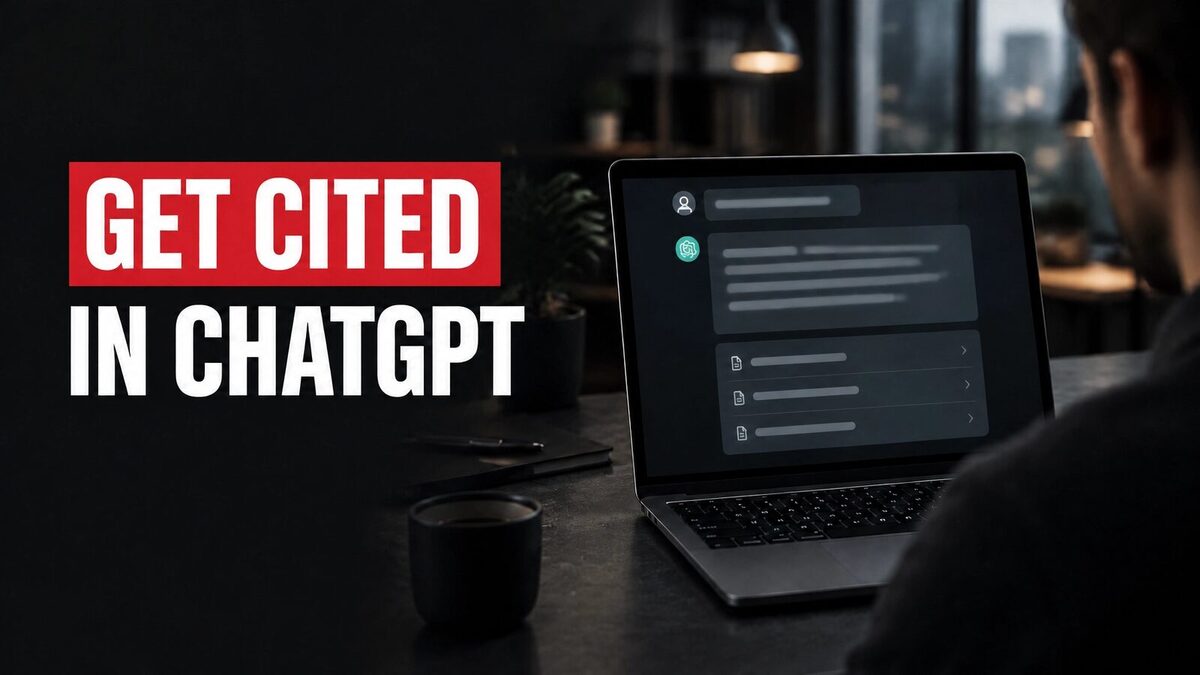
When someone asks ChatGPT a question, it may search the web and show citations to sources. OpenAI says search results are selected using multiple factors intended to help users find relevant, reliable information, but placement is not guaranteed. Answers and citations can also vary, so a single search is only a snapshot.
That makes answer engine optimization and AI search optimization less about tricks and more about making your business and expertise easy to find, understand, and verify. Strong small business SEO still matters: Google’s guidance for its AI search features recommends the same foundations as regular Search, including crawlable pages and helpful, reliable content.
This week, ask a handful of real customer questions and record what you see. Use ChatGPT with web search enabled, and try prompts a potential customer might type, not just your business name.
For example, a home services company in St. Charles might test:
Try the same questions in separate conversations. Note whether ChatGPT names your business, what it says about you, and which pages it cites. If it recommends other companies, record those too. Results can vary, so treat this as a starting point rather than a definitive ranking report.
If ChatGPT has a business listing for your company and you’re eligible, OpenAI’s Business Hub guidance explains how an authorized representative can claim and update it. Claiming a listing does not guarantee more visibility or control over independent recommendations, but accurate details are still worth maintaining.
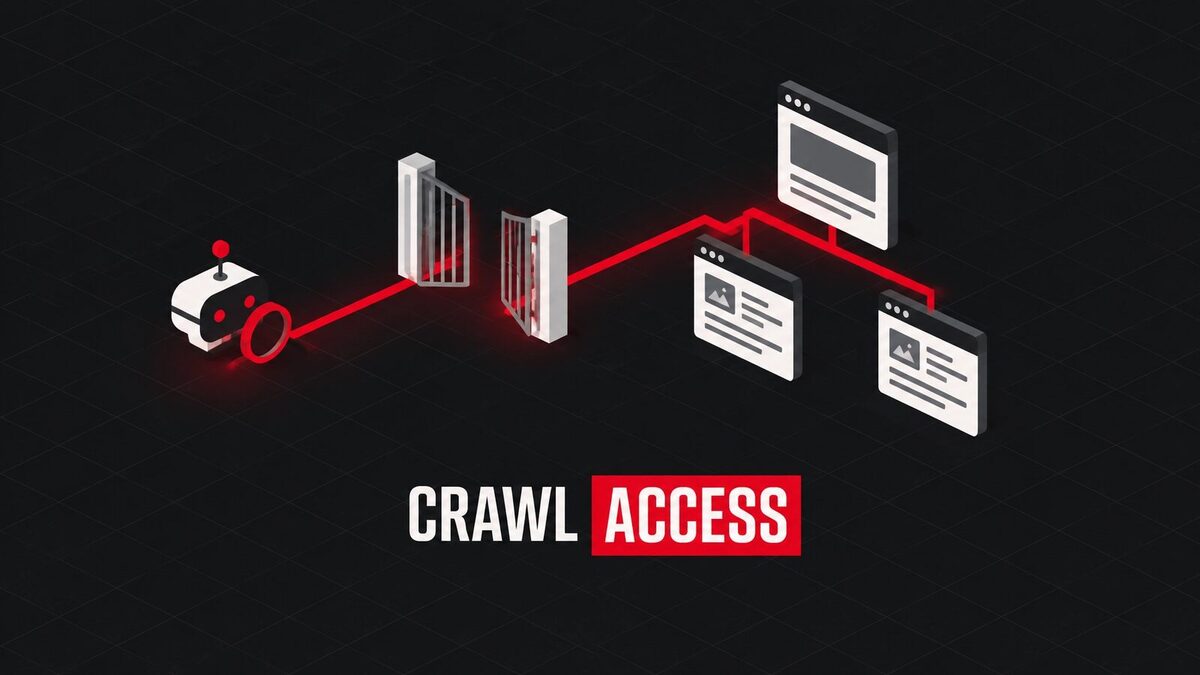
A useful page can’t be cited if the search crawler can’t reach it. OpenAI says sites should allow OAI-SearchBot and ensure their hosting provider or content delivery network permits traffic from OpenAI’s published searchbot IP addresses.
Start with a simple check: open your website’s robots.txt file by adding /robots.txt to your domain. Look for rules affecting OAI-SearchBot. You can also ask your hosting provider whether its security settings block the crawler. If anything looks unclear, send the question to whoever manages your site; you don’t need to commission a rebuild just to investigate access.
Google’s guidance on AI features likewise emphasizes established SEO fundamentals: pages need to be indexed and eligible to appear in Search, content should be easy to find through internal links, and important information should be available as text. There is no special AI markup that guarantees a citation.
Choose one service or location page and improve it this week. Put the clearest answer near the top: what you do, who you help, where you work, and what makes your approach useful.
Then answer a few specific questions customers commonly ask. A remodeling company, for instance, could explain which projects it handles, which neighborhoods it serves, and what homeowners should prepare before requesting an estimate. Use direct headings and plain language. Include relevant details from your real experience, not generic paragraphs created to fill space.
A practical page structure might look like this:
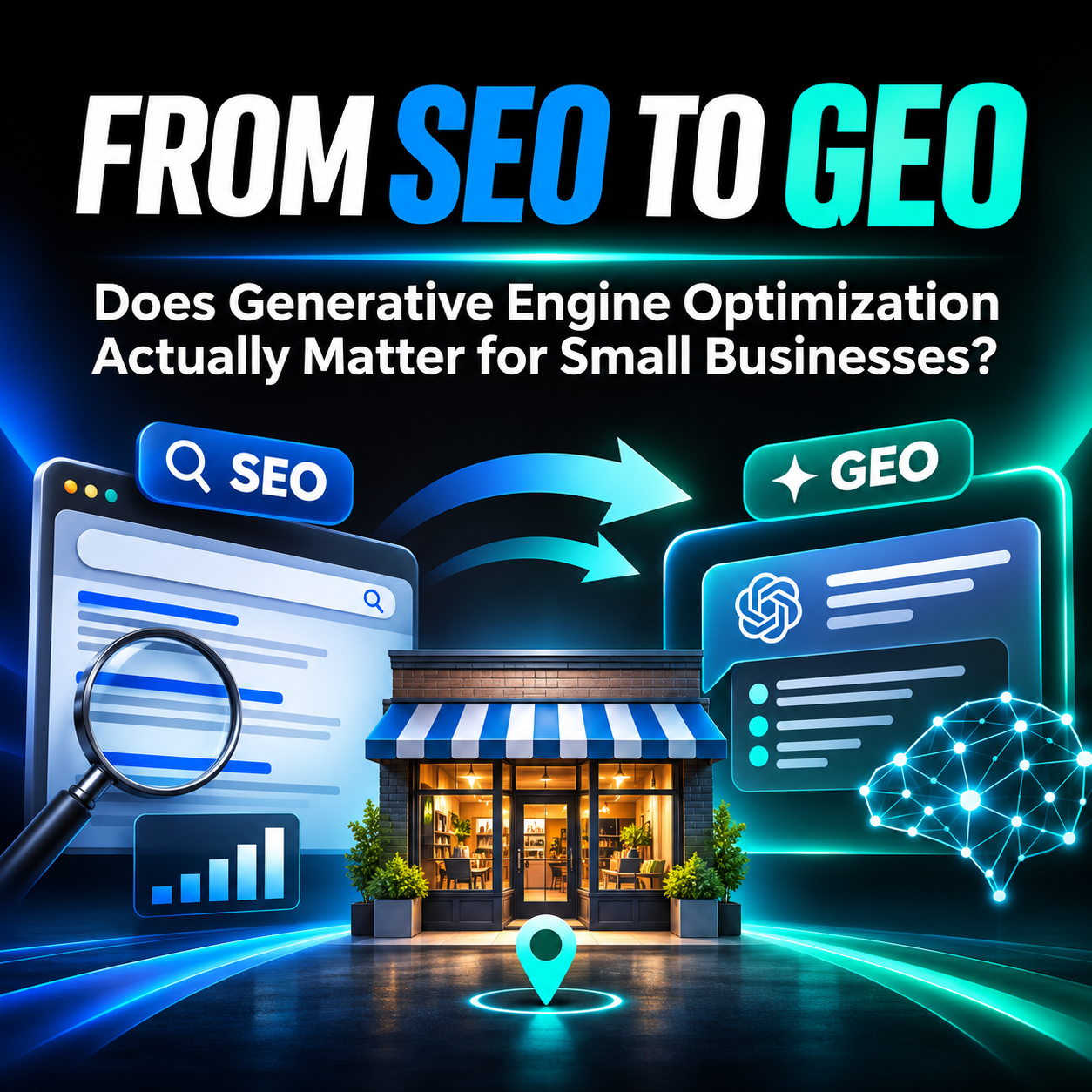
You don’t need a new page for every possible prompt. Improve the pages you already have where they can answer useful questions. Our article on moving from SEO to GEO for small businesses explores how traditional search foundations support AI discovery. And before you spend money on a rebuild, it’s worth knowing what a confusing page is already costing you: read about the hidden cost of poor website user experience.
AI systems, and customers, need enough reliable information to understand what your business actually offers. Check that your website, Google Business Profile, and relevant directories agree on your name, contact details, services, hours, and service area.
For local businesses, be specific without overstating your reach. A St. Louis company that also serves Chesterfield or St. Charles can say so clearly if that reflects its actual operations. Ask satisfied customers for honest reviews, respond professionally to feedback, and look for legitimate opportunities to be included in local or industry resources.
| More likely to support a citation | Less likely to support a citation |
|---|---|
| A clear page describing a specific service, audience, and location | Vague claims such as “we’re the best” without evidence |
| Accurate details that match across your website and business listings | Conflicting hours, locations, or descriptions |
| Firsthand examples, expert explanations, and attributable facts | Generic copy that could describe any company |
| Useful answers with relevant context and clear sourcing | Repeating keywords or publishing thin pages at scale |
| Genuine third-party references and customer feedback | Fake reviews or unsupported “award-winning” claims |
There’s no formula here that guarantees selection. The goal is to give people and search systems a consistent, credible picture of your business.
Set aside time this week to create a simple tracking sheet. Use a short list of prompts from Step 1, then revisit them periodically. Record the date, whether your business appeared, which page was cited, and whether the description was accurate.
Where available, track visits from AI tools in your website analytics and ask new leads how they found you. If your business can use ChatGPT’s Business Hub, OpenAI says its Insights may show aggregate mentions and website clicks; the data can be incomplete, and blank metrics don’t necessarily mean there was no activity.
Don’t judge the effort by citations alone. A mention that creates awareness without a website visit can still influence a customer’s choice. That’s part of the broader shift toward zero-click marketing. Keep an eye on qualified inquiries and sales, too. For more on how AI tools are evolving beyond answering questions, read From AI Assistants to AI Agents.
Longer than the tools make it sound. A citation is not a dial you turn. Even when a page is accessible, well structured and clearly the best answer to a question, an AI assistant may keep citing older, better-known sources for a while, and it may cite you for one question and not another.
Here is a realistic way to think about it. Your first checks tell you whether you are even in the running. Fixing crawl access and cleaning up one strong page usually changes what search systems can read fairly quickly, but changes in what they choose to quote tend to show up over weeks and months, not days. If you are also publishing new content, expect the pattern to follow what normal search does: little visible movement in the first month or two, and something you can actually judge after a quarter.
Two cautions worth stating plainly. First, AI answers vary between conversations and over time, so a screenshot of one good answer proves very little, and so does one bad one. Track a fixed set of prompts over time instead. Second, no amount of optimization guarantees a citation. What you can control is whether your business is findable, readable, consistent and credible across the sources these systems draw on.
That matters for local businesses especially. In the St. Louis area, a one-location home services company competes for the same prompts as companies with a marketing team, and the difference is usually not budget. It is whether their information is accurate everywhere, whether their service pages say something specific, and whether anyone has ever cited them.
Be cautious of anyone promising a guaranteed ChatGPT ranking, citation, or recommendation. There is no reliable shortcut that can force an independent answer to mention your company.
You also don’t need to publish dozens of pages targeting slightly different prompts, add special AI files just because someone says they’re required, or replace your SEO program with an entirely separate one. Start with accessible pages, useful answers, accurate business information, and real expertise.
That is our point of view at Razor Sharp Digital: AI should amplify real expertise, not replace it. A tool can help you organize questions or refine a draft, but the details that distinguish your business come from your work, customers, and judgment.
You can pay for ads in some ChatGPT surfaces, and advertising is separate from the independent answers ChatGPT gives. Claiming a business listing does not guarantee that ChatGPT recommends you, and OpenAI states that advertising does not influence its independent answers. Treat anyone promising a paid shortcut to organic AI recommendations with real suspicion.
Not as a first move, and not on the evidence available today. It is a proposed convention that some sites publish, and there is no guarantee that assistants use it. Crawl access, clear page structure, accurate business information and real expertise matter far more. If someone tells you a missing llms.txt file is why you are not being cited, ask them what else they checked.
The fundamentals overlap heavily. Google’s guidance for its AI features points back to normal search best practice: indexable pages, useful content, sensible internal linking, and important information available as text. What changes is the shape of the answer you are competing for. Instead of a list of links, you are trying to be the sentence an assistant repeats. That rewards direct answers, specificity and evidence, which is also what a busy customer wants.
No. Writing for an extraction machine and writing for a skimming reader push you in the same direction: say the answer early, be specific, use plain headings, and support claims with real detail. The failure mode is the opposite one, pages written to fill keyword slots that say nothing a customer could act on.
Learning how to rank on ChatGPT starts with a more practical question: can a customer, or a search system, clearly understand what your business does and why it’s a credible choice? Check your visibility, improve one useful page, and measure the results over time. No single step guarantees a citation, but these actions can strengthen your online presence for both traditional and AI-powered discovery.
If you want a partner to connect SEO, content, website improvements, and AI search optimization into one strategy, explore Razor Sharp Digital’s services or get in touch.